







NEW DELHI: "Smit, do something. You can't die like this." It was with this single thought, repeated over and over, that Indian captain Smit Machchhar fought back after being struck on the back of the head with an emergency crash axe inside the cockpit of a flydubai flight, in one of the most chilling aviation incidents in recent memory.

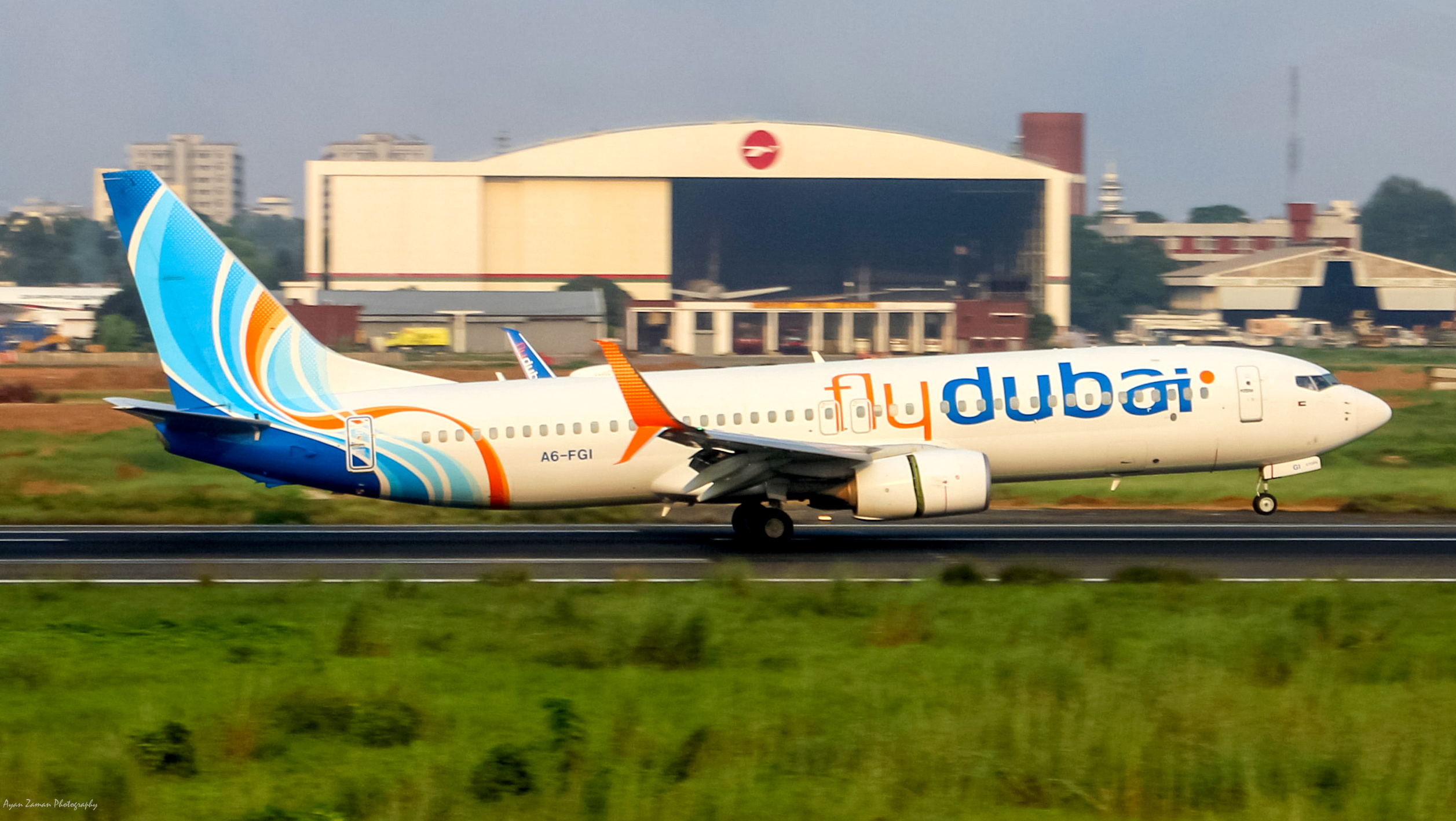
Speaking from his hospital bed in the United Arab Emirates in interviews with Sky News Arabia and The National, the Indian pilot recounted the terrifying sequence of events aboard flydubai flight FZ1073 on September 30, when his Omani co-pilot, Hamam al-Hammami, allegedly launched a sudden and violent attack on him mid-flight on the Dubai to Tel Aviv sector.
Machchhar told the outlets that he was checking his computer when the blows began landing. "Blows kept coming. I felt the aircraft going down," he said, describing how he drifted in and out of consciousness as the attack continued inside the locked cockpit, thousands of feet above the ground.
What followed was a fight for survival that aviation experts say may have saved 172 lives. Despite his injuries and repeated blackouts, Machchhar managed to reach the cockpit door and unlock it, allowing cabin crew and passengers to rush in and intervene. The door had been locked from inside, and without that intervention, the aircraft's fate would almost certainly have been sealed.
The struggle in the cockpit caused the aircraft to plunge approximately 17,000 feet in under a minute, a descent so severe that it should have ended in catastrophe. But with the crew back in control, the plane was stabilised and diverted to Tabuk in Saudi Arabia, where it landed safely. Every one of the 172 people on board survived.
The co-pilot is now detained in the UAE and faces terrorism charges, officials have said, as investigators piece together what drove a fellow aviator to turn a routine flight into a scene of violence. The motive remains under investigation, and authorities have not disclosed details of al-Hammami's background or what may have triggered the attack.
The incident has sent shockwaves through the global aviation industry and raised fresh questions about cockpit security protocols. The reinforced, locked cockpit door, introduced after the September 11 attacks to protect crews from hijackers, has been the subject of debate for years. It is designed to keep intruders out, but in cases where the threat comes from inside the flight deck itself, the same barrier can trap the victim with the attacker.
Aviation safety experts note that the case bears echoes of earlier incidents involving pilot actions, and has renewed calls for a re-examination of psychological screening, continuous monitoring of crew fitness, and two-person cockpit rules. Some airlines and regulators have debated whether the co-pilot or a cabin crew member should never be left alone on the flight deck, though the practical and human-rights implications of such measures remain contentious.
For Machchhar, the ordeal has made him an unlikely hero. His presence of mind, while bleeding and barely conscious, to unlock the cockpit door is being credited by crew and investigators alike as the decisive act that saved the flight. "I told myself, Smit, do something. You can't die like this," he recalled, a line that has since been repeated across media coverage of the incident.
Indian officials have been in touch with the pilot and his family, and tributes have poured in from the Indian aviation community. Pilots' associations have pointed to his actions as an example of extraordinary airmanship under the most extreme pressure imaginable, and have urged that the incident be studied to improve crew training for onboard violence.
The investigation is being led by UAE authorities, with cooperation from relevant international agencies. Forensic examination of the cockpit, the crash axe allegedly used in the attack, and the flight's data recorders is expected to provide a full picture of the timeline. The co-pilot's detention and the terrorism charges indicate that investigators are treating the attack as a deliberate act against the aircraft and everyone on board.
Flydubai has not commented in detail on the ongoing investigation, but the airline has confirmed that the safety of its passengers and crew remains its highest priority. The flight's diversion to Tabuk, rather than its scheduled destination of Tel Aviv, was an emergency decision taken by the crew once the aircraft was stabilised.
The incident also highlights the often-overlooked human dimension of aviation security. While airports and aircraft are hardened against external threats, the insider threat, however rare, remains one of the hardest to defend against. Regulators worldwide are expected to study the FZ1073 case closely, and it may well shape future rules on crew screening and cockpit procedures.
Flydubai, the Dubai government-owned low-cost carrier, operates an extensive network across the Middle East, Europe and Asia, and Indian pilots form a significant part of cockpit crews on Gulf carriers.
The incident is therefore being followed closely not just by regulators but by thousands of Indian aviation professionals working in the region, many of whom have expressed solidarity with Machchhar and called for stronger support systems for crew mental health and reporting mechanisms for concerning behaviour among colleagues.
The emergency landing at Tabuk, a city in northwestern Saudi Arabia, added a cross-border dimension to the response, with Saudi authorities cooperating in the handling of the diverted aircraft and its shaken passengers.
Airlines rehearse diversions for medical emergencies and technical failures, but a violent confrontation on the flight deck is among the scenarios least covered in standard crew training, and the FZ1073 crew's improvisation under pressure is likely to become a case study in simulator briefings.
As Machchhar recovers in hospital, the aviation world is left to reflect on a simple, devastating truth: on September 30, the difference between a safe landing and a catastrophe was one injured pilot's refusal to give up. His story, told in his own words from a hospital bed, is a reminder that behind every flight number are human beings, and that courage in the cockpit can still be the last line of defence.
(Reporting based on The Times of India and The National.)